
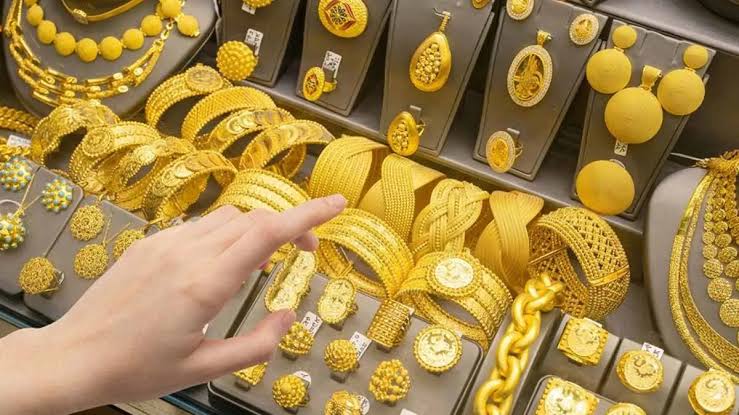
Merchants in Maharashtra and Gujarat have handled bullion for centuries, and their instincts still shape how the country thinks about the metal. A shopper in the financial capital may glance at the gold rate today Mumbai before heading to Zaveri Bazaar, while a trader in the old walled quarters of Gujarat’s largest city may compare it with the gold rate today Ahmedabad before settling a deal. Both cities treat gold as a serious subject, discussed with the same attention others give to cricket scores or monsoon forecasts. This article looks at the buying habits of western India, the lessons they offer and the practical ways any household can borrow from that experience.
A Trading Culture Built on Trust
Business communities in this region have long relied on reputation. A jeweller’s word, reinforced by decades of family dealings, can often outweigh even the most enticing advertisements. Customers return to the same shop for generations because the family knows their preferences, budget and occasions.
Read More: Your Residents Have Their Phones in Their Hands – Is Your Payment Process There Too?
For a newcomer, this is an invaluable lesson – look for sellers who have been standing in one place for many years, who welcome questions and provide clear paperwork without having to ask. Long-standing history is not a guarantee, but it is a sign of reliability.
The Habit of Patient Accumulation
Most families in this part of the country tend to buy small amounts of gold at a time. They save up bits and pieces throughout the year to create a large family reserve. A coin bought on an auspicious day, a light chain purchased at a naming ceremony and a pair of bangles for a wedding soon build up to a significant haul!
This approach both mitigates the risk of buying at a peak and spreads the financial burden so that no one month feels too tight. Anyone can adopt it by fixing a small monthly amount and sticking to it without fail.
Understanding Wholesale and Retail Differences
Western India hosts some of the largest wholesale bullion markets in the country, and prices in the area reflect trading volumes, currency movements and global signals. Retail shops then add their own margins, making charges and taxes. The difference between the raw trade price and your final bill can be significant, particularly for intricate designs.
Read More: What Makes a Lightweight Panel Structurally Strong?
Knowing this can help you negotiate – ask the jeweller to explain how the base rate has been reached, and what other elements go into the final price. Buyers who demonstrate this understanding tend to receive a more honest and transparent response.
Choosing Between Jewellery and Bullion
Coins and bars appeal to practical buyers who want pure metal with little in the way of extra cost. Jewellery appeals to those who appreciate beauty, family tradition and the joy of wearing what they buy. Neither have clear advantages, but both have drawbacks – ornaments contain labour charges that are rarely recovered on resale, while bars carry smaller premiums and simpler valuation.
A balanced household often holds both – keeping bullion as a financial reserve, and jewellery for use and celebration.
Festivals That Drive Purchases
Diwali, Dhanteras, Akshaya Tritiya and the long wedding season are the peaks of activity in the local calendar. Showrooms are dressed up, and offers are plentiful. These are emotionally charged times for people, and many families feel that buying at least a little something is a must.
Plan ahead so that celebration doesn’t lead to overspending – keep a ceiling, make a short list and compare estimates between more than one seller. Buying a day or two before the main date can save you from crowds and rushed service.
Safe Storage and Sound Records
Western India’s merchant families are known for their careful record keeping – and it is an approach worth adopting. Keep invoices, note hallmark codes, photograph each item and file it away separately from the jewellery itself. Put heavy sets in a bank locker, and consider insurance for valuables kept at home.
Discuss with your family where documents are kept so that nothing is lost in the event of an emergency or an inheritance. A short written list of important pieces, with approximate weights, might save time later.
Carrying the Lessons Forward
The enduring strength of western India’s gold culture lies in a combination of discipline, trust and practicality. Buy steadily, choose reliable sellers, understand how a price is formed, and keep your records neat and accessible. Whether you live in a coastal metropolis, textile city or small town, these habits will serve you well and see your savings glow for decades.