
The shipping industry transports 90% of all goods. Annually, ships, trucks, and planes move billions of tons of cargo worldwide. Now lightweight materials are flipping the script on how stuff travels.
The Weight Problem Nobody Talks About
Every extra pound burns money. Fuel vanishes faster. Engines groan harder. Ships squat lower in the water and trucks destroy their brakes quicker. Add it all up? Billions of dollars disappear annually just because things weigh too much. For decades, shipping companies shrugged and paid up. Those days are over. Sharp operators figured out that shaving weight off containers, packaging, and even the vehicles themselves puts cash back in their pockets.
Read More: Charles Spinelli Sheds Light on The Ways to Use Business Line of Credit
New Materials Make the Difference
Scientists cooked up materials that shouldn’t exist. Some plastics laugh at steel’s strength while weighing 80 percent less. Carbon fiber composites shield cargo better than metal but feel like holding air. Twenty years ago this stuff was fantasy. Today? It’s everywhere.
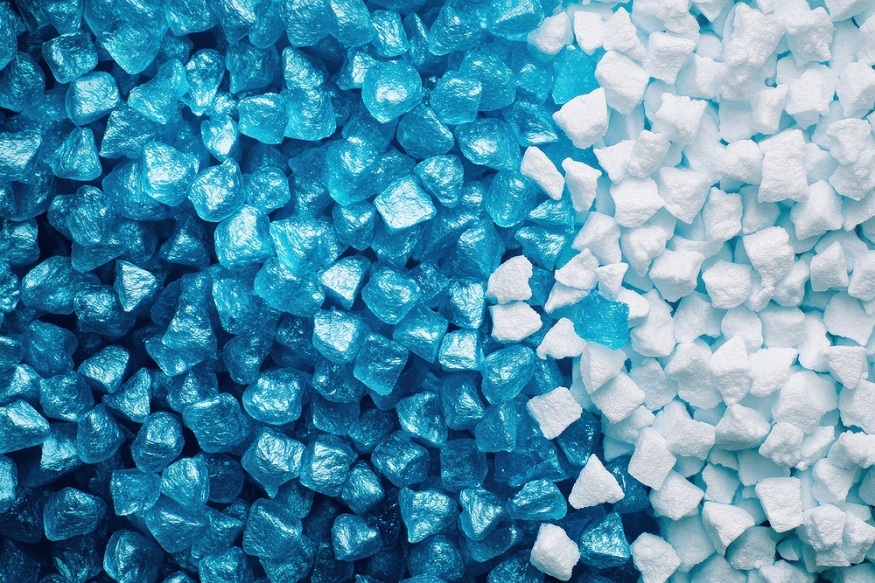
Foam technology went nuts too. Synthetic foams now cushion and insulate without the weight penalty. Chemical suppliers like Trecora provide ingredients such as pentane that help create these game-changing foam products. Electronics and fresh strawberries survive month-long ocean trips wrapped in foam that weighs almost nothing.
Packaging companies can’t get enough. Boxes stay tough but shed pounds. Protective padding does its job without the bulk. Wooden pallets? Getting kicked to the curb by lightweight alternatives that outlast them and cost pennies to ship.
Ships Get Lighter and Stronger
Naval architects threw out the old playbook. Where steel once ruled, aluminum and composite materials now dominate container ship designs. These vessels sip fuel crossing oceans. Water offers less resistance. More cargo fits without making ships bigger. Some companies slashed fuel consumption by 15 percent just by swapping to lightweight containers. Aircraft see even crazier benefits. Pull one pound from a plane and save thousands on fuel costs yearly. Modern cargo planes pack aluminum containers weighing half what previous versions did. Airlines love it. Their accountants love it more.
The Speed Advantage
Lighter stuff moves faster. That’s not an opinion. It’s physics. Less weight creates less drag. Less drag lets the same engine push harder. Delivery trucks built with aluminum bodies jump off the line and brake shorter than old steel beasts. Drivers squeeze in extra deliveries daily. Ships carrying lightweight materials maintain speed when waves get nasty. Cargo planes climb higher, dodge weather, arrive on schedule. Why care about speed? Because waiting costs money. Products sold today beat products sold tomorrow. Vegetables stay crisp. Fashion hits stores while people still want it. Speed wins.
Read More: Building a Strong and Healthy Workplace Culture
Environmental Benefits Add Up
Less fuel burned equals less junk in the air. Shipping lighter goods could seriously cut down on carbon, by thousands of tons annually. Now imagine thousands of ships, trucks, and planes all doing that. The numbers get silly big. Governments caught on. Tax breaks flow to shipping companies adopting lightweight materials. Ports slash fees for cleaner vessels. Everyone wants credit for saving the planet while saving money. Some companies discovered that customers actually care about this stuff. They’ll pay extra for products shipped with less environmental damage. Marketing departments went wild with that revelation.
Conclusion
Lightweight materials aren’t just changing global shipping. They’re demolishing old assumptions about how cargo moves. Costs drop while speeds climb. The environment catches a break. Scientists keep pushing boundaries, creating materials that weigh even less and perform even better. That package showing up at your door tomorrow? It traveled faster and cheaper than the same package would have five years ago. All because someone figured out how to make things lighter without making them weaker. The revolution already happened. Most people just haven’t noticed yet.